

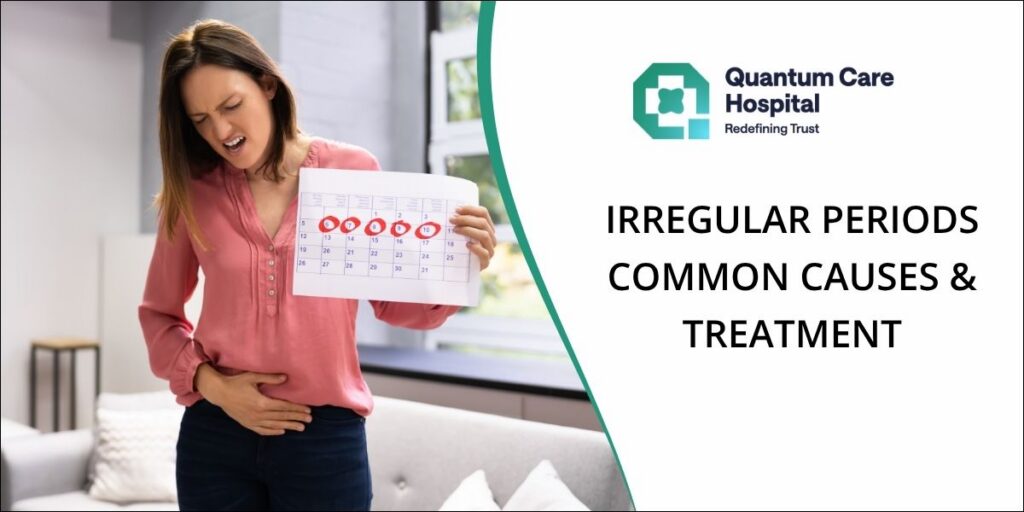
Periods that do not follow a predictable pattern can be confusing and sometimes worrying. While occasional changes in the menstrual cycle may happen because of stress, travel, lifestyle changes, or other temporary factors, frequently irregular periods should not be ignored. Understanding the possible causes can help women identify when they should consult a gynecologist and seek appropriate treatment.
A menstrual cycle does not have to occur on exactly the same day every month. However, periods may be considered irregular when the gap between periods frequently changes, periods are unusually heavy or light, bleeding lasts longer than usual, or periods are repeatedly missed.
Irregular menstruation can occur during puberty, around menopause, or at other stages of reproductive life. For women of reproductive age, persistent changes may sometimes indicate an underlying hormonal or gynecological condition.
Hormones such as estrogen and progesterone play an important role in regulating the menstrual cycle. Changes in hormone levels can affect ovulation and lead to delayed, missed, or unpredictable periods.
PCOS is a common hormonal condition that can cause irregular or absent periods because ovulation may not occur regularly. Some women may also experience acne, excess facial or body hair, weight changes, or difficulty conceiving.
Ongoing emotional or physical stress can affect the hormones responsible for ovulation. This may result in periods arriving earlier or later than expected, or occasionally being missed.
Significant weight gain or weight loss can influence hormone production and menstrual regularity. Very low body weight, excessive exercise, or restrictive dieting can also interfere with ovulation.
The thyroid gland affects several body functions, including metabolism and reproductive hormones. Both an underactive and overactive thyroid can contribute to menstrual irregularities.
If a period is unexpectedly missed, pregnancy should be considered, particularly in women who are sexually active. A pregnancy test can help determine whether pregnancy may be responsible for the missed period.
Women approaching menopause may experience changes in cycle length, flow, and frequency. This transitional stage, known as perimenopause, can begin several years before periods stop completely.
Occasional menstrual changes may not always indicate a serious problem. However, medical evaluation is advisable when irregular periods continue for several months or are accompanied by symptoms such as very heavy bleeding, severe pelvic pain, bleeding between periods, dizziness, unusual vaginal discharge, or difficulty becoming pregnant.
Women who repeatedly miss periods without an obvious reason should also consult a gynecologist. Early evaluation can help identify hormonal or reproductive conditions and allow treatment to begin when necessary.
Treatment begins with identifying the underlying cause. A gynecologist may ask about your menstrual history, lifestyle, medications, weight changes, stress levels, and other symptoms. Depending on the situation, investigations may include a pregnancy test, blood tests to evaluate hormone or thyroid levels, and pelvic ultrasound.
Keeping a menstrual calendar or using a period-tracking app can also be useful. Recording the start and end dates of periods, flow, pain, and other symptoms can give your doctor valuable information.
There is no single treatment for irregular periods because management depends on the cause.
For women with PCOS, lifestyle changes, weight management when appropriate, exercise, and medications may help regulate cycles and manage associated symptoms. Hormonal medicines may sometimes be prescribed to regulate periods or control excessive bleeding.
If a thyroid disorder or another hormonal condition is responsible, treating that underlying problem may help restore menstrual regularity. When stress, inadequate nutrition, excessive exercise, or major weight changes contribute to irregular cycles, improving these factors can also support healthier menstrual patterns.
Women trying to conceive may require a different treatment approach, particularly if irregular periods are caused by problems with ovulation.
A balanced diet, regular physical activity, adequate sleep, stress management, and maintaining a healthy weight can support overall reproductive health. However, lifestyle measures should not replace medical evaluation when irregular periods are persistent or associated with concerning symptoms.
For women seeking evaluation for irregular periods in Kharadi, Dr. Bharati Bhore Patil – Gynecologist in Kharadi at Quantum Care Hospital provides gynecological consultation and management for a range of women’s health concerns. Women experiencing persistent cycle changes, missed periods, unusually heavy bleeding, or other menstrual concerns can consult a qualified gynecologist for appropriate evaluation and personalized treatment based on the underlying cause.
1. What causes irregular periods?
Common causes include PCOS, hormonal imbalance, stress, thyroid disorders, weight changes, pregnancy, and perimenopause.
2. Can stress make periods irregular?
Yes. Prolonged stress can interfere with hormones involved in ovulation and affect the menstrual cycle.
3. Are irregular periods a sign of PCOS?
They can be. Irregular periods are a common symptom of PCOS, but diagnosis requires proper medical evaluation.
4. Can irregular periods affect fertility?
Sometimes. Irregular cycles may indicate irregular ovulation, which can make conception more difficult.
5. When should I see a gynecologist?
Consult a gynecologist if irregular periods persist, periods are repeatedly missed, bleeding is unusually heavy, or you experience severe pain or other concerning symptoms.



Choose Trusted Care for a Better Tomorrow

Quantum Care Hospital is a trusted multi-speciality hospital in Kharadi, Pune, committed to delivering high-quality healthcare services. With advanced diagnostic facilities and a patient-centric approach, the hospital provides comprehensive medical care while prioritizing safety, comfort, and effective treatment outcomes.
